
Consider the experience first
There is a particular pleasure in a facial massage when the pressure is right. A hands-on session gives you room to say where you would like more attention and when you prefer a lighter touch. Icoone uses mechanical handpieces, and the settings and area of focus can change the sensation. Ask your specialist to describe each appointment before you choose.
The easiest question to answer is usually the most overlooked. What do you want the hour to feel like? Some guests want quiet and steady pressure. Others want a session focused on the look of the cheeks or jawline. Tell the studio which is more important to you and ask which starting option fits.
Understand what researchers measured
A small study of a facial massage roller found an increase in skin blood flow in the area treated shortly after use. Blood flow was the measure. This study leaves questions open about lasting changes in facial shape, how the effect looks in photographs, and how it applies to a different device or technique. The distinction matters when a description of a refreshed appearance begins to sound like a promise.
If you want to judge how a session looks on you, take any comparison pictures in similar light with the same expression and camera distance. Think about time as well. A photograph taken immediately afterward answers a different question from one taken several days later.
Read the before and after carefully
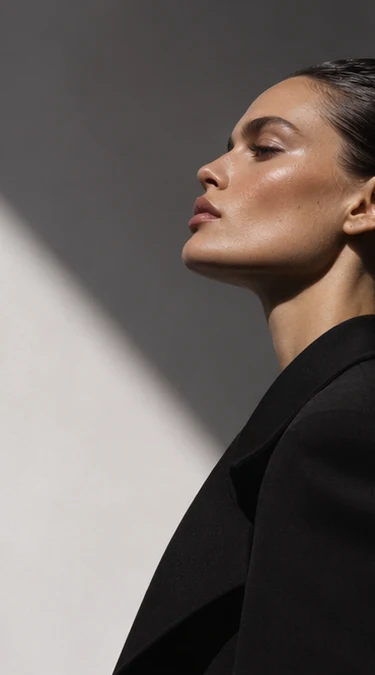
A polished before-and-after image can be persuasive because the eye is quick to compare outlines. Look at where the chin is held, how the mouth is set, and where the light falls. A small turn can change the shadow beneath the jaw. These details matter when the result being presented is subtle. Ask when the images were taken and whether the same lighting and position were used.
If you want a personal record, take a neutral photograph before the appointment and decide in advance when you’ll take another. Immediate and later pictures serve different purposes. You might also keep a short note about the experience itself, including pressure and comfort. That makes it easier to decide if the session was worth repeating for the reason you booked it.
Book around the rest of your plans
Tell the studio about recent treatments and upcoming events. Ask how much time to allow and what sensations to expect. Speak up during the appointment if the pressure feels uncomfortable. If your main goal is relaxation, tell your specialist at the start so you can set a pace that suits you.
What to ask in the treatment room
Bring one direct question about the experience and one about the result. For example, ask how pressure is adjusted around the jaw, then ask what kind of visible change the studio considers reasonable and for how long. A specific answer gives you more to work with than a broad description of sculpting.
Tell the specialist when you would like the pressure to change. Ask them to pause if a sensation feels uncomfortable. If you are choosing between hands-on massage and a device-assisted session, have the studio describe how each starts, how long it lasts, and what you can expect throughout. The better fit may come down to experience, preference, and the time you want to set aside.
Compare face and body sessions → Read PDF (opens in a new tab)